 Fur Friend Tips
Connection Dogs
Notice a dog’s voluntary check-ins
Use everyday attention as an invitation to communicate, without asking for constant eye contact.
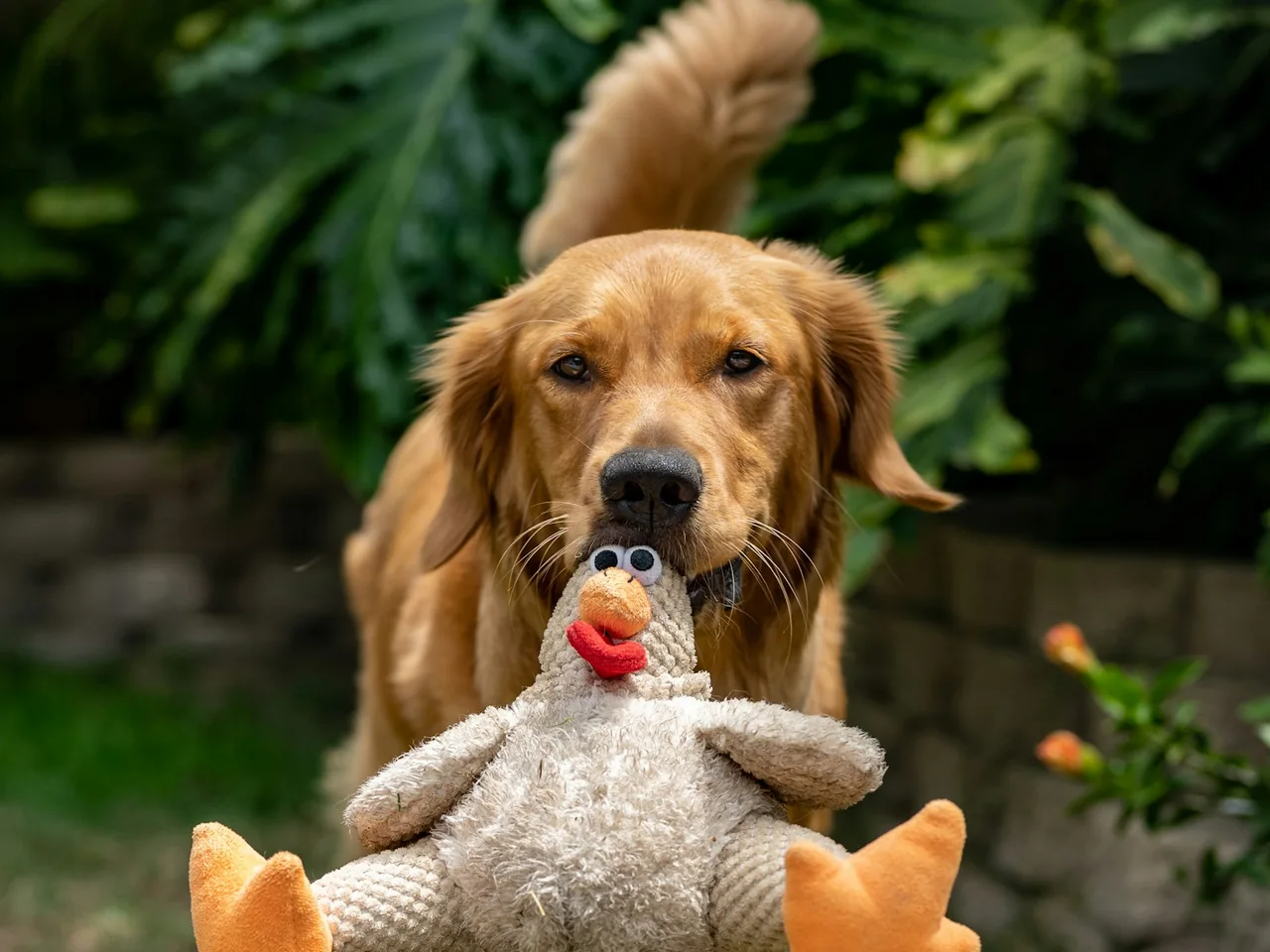
Context photograph.
Begin in a setting where noticing is easy
Choose a familiar quiet space and have a suitable reward ready. Watch for the dog voluntarily orienting towards you. A check-in can be a useful starting point for training because it begins with attention the dog has offered rather than repeated calling over competing distractions.
Keep the goal modest: recognise and reward a clear moment of connection. This is not a requirement that a dog watch your face throughout a walk or stop exploring the environment. Attention and exploration both have a place in ordinary life.
Make the reward easy to understand
- Prepare the reward before beginning so the moment is not followed by a long search through a cupboard.
- Reward an offered look or orientation without immediately adding several new requests.
- Allow a break and a chance to move or explore again.
- If you use the dog's name, say it in an easier setting where responding can lead to something worthwhile.
Avoid turning the name into background noise
Repeatedly calling while the dog is absorbed elsewhere gives you little information about the skill. Reduce the competing activity or work in a quieter place. A useful note describes the setting where the dog could respond, not just the number of times you said the word.
You can record “looked back after sniffing near the kitchen door” as an observation. Avoid “understands attention perfectly” after one occasion. Changing the room, distance or distractions can make a familiar exercise feel different.
Let the connection support something useful
A check-in might precede an easy invitation to move with you, or it might simply earn a reward and a release back to exploration. Choose one uncomplicated outcome so the dog does not have to guess which sequence you want.
If the dog is struggling, make the environment easier before increasing the value or complexity of the task. For persistent training difficulties, a qualified reward-based trainer can help you adapt the setup to the individual dog.
Sources & practical application
These principles inform the guide. Household worksheets, examples and sequencing are our editorial application, not reported experiments or endorsements by the source organisations.
Source principle: Reward voluntary check-ins and make a new learning environment manageable.
Source principle: Build rewarded attention in quiet places; avoid repeatedly calling when the dog is not responding.
Checked October 16, 2026. How we prepare guides · Report a correction.